
Close and return to Sprintbase Launch in Sprintbase
Moodogram

Moodogram

When to use it

Use this tool to set expectations about how an experience, such as the project itself or the design thinking process, will make or have made your team feel.

What’s the purpose

A ‘Moodogram’ helps teams to reflect on how they feel about a project, process or experience, either preemptively or reflectively. When done at the beginning of a project, it helps to align expectations, and create a sense of unity and understanding of how everyone feels going into the project. When done reflectively, the activity allows team members to share their experiences for future learning.

How to do it

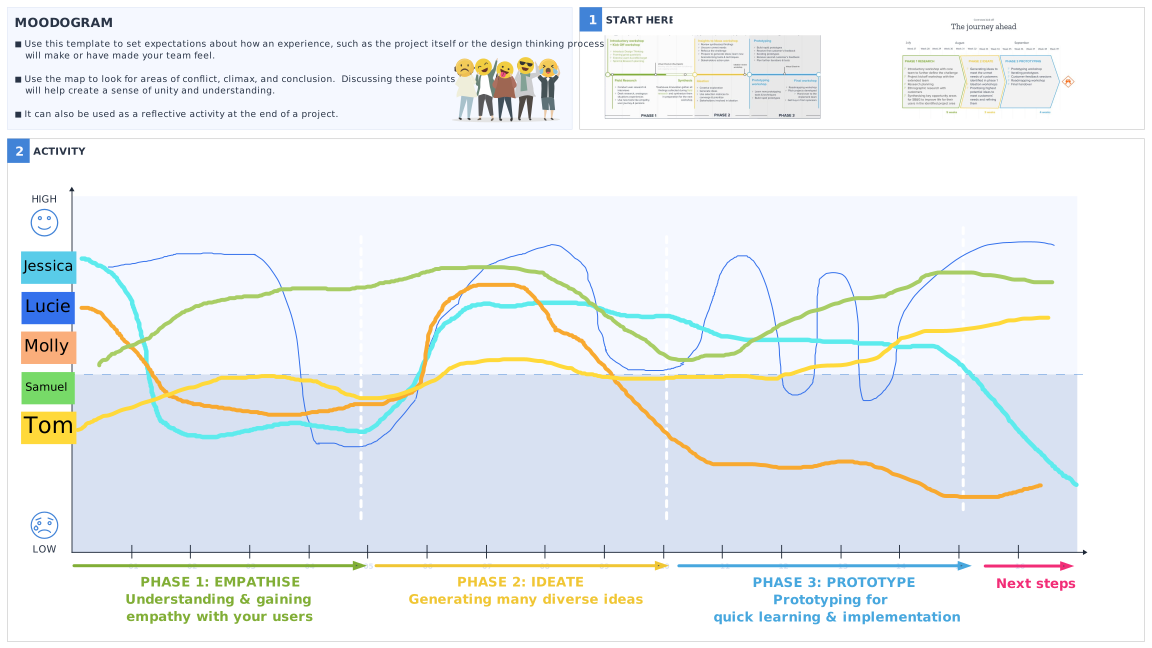
  1. Begin by mapping out the steps that you are focusing on, whether that be project phases, a particular process or any other experience.
  2. Spend 5 minutes discussing how the team feels / felt at each stage of the journey and capture thoughts on sticky notes on the chart.
  3. Once you have captured everyone’s thoughts, draw a line to connect the points, which will highlight the highs and lows of the journey.
  4. Discuss this as a team. Let everyone share their thoughts on why it’s a high or low and how they think the team can support one another along the way.

Download a high-res PNG to print or use with your favorite digital whiteboarding tool.
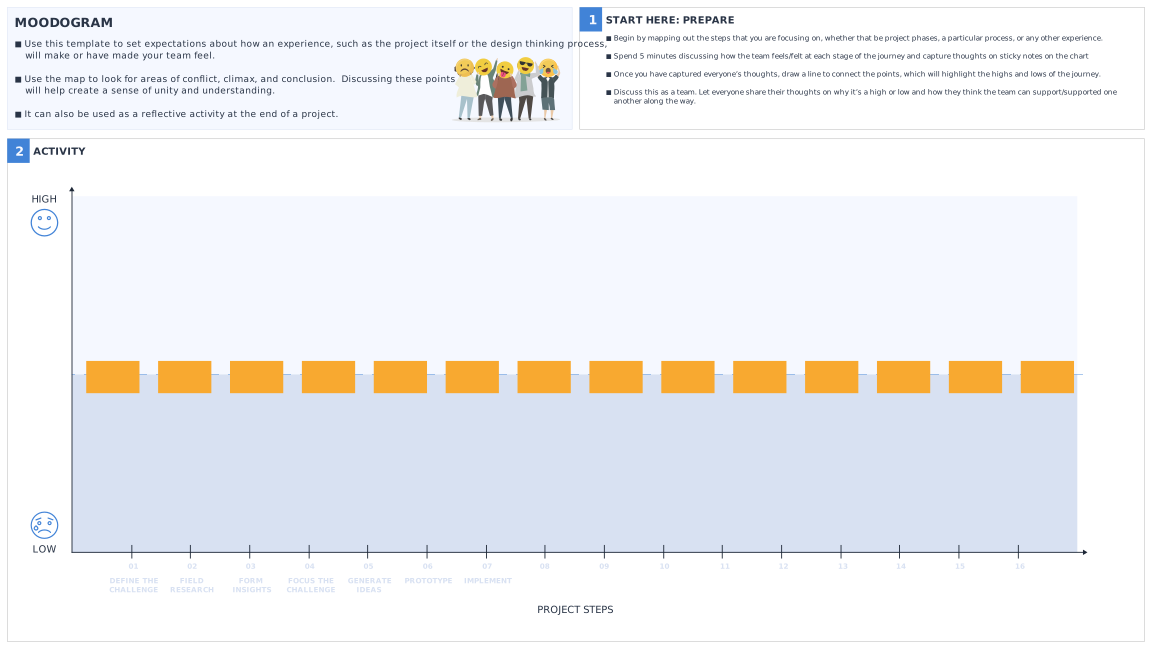
Blank Moodogram Template
Completed Moodogram Template Example Worked example
Helpful tips

Helpful tips

  • Look for areas of conflict, climax and conclusion. Discussing these points will help create a sense of unity and understanding.
  • Share the chart with the whole team to remind everyone of what they can expect to feel as they move through the phases of the project. It helps to know that when things feel tough, it’s completely normal and the highs will come again.

Using this method in your day-to-day work

Using this method in your day-to-day work

The ‘Moodogram’ template can be used to prepare for, reflect on and learn from any experience that you have in the workplace. For example, if your team hosts an important meeting, you could use it to set expectations for challenging stages and hear from the team where they expect to need support. On the other hand, if you complete it after the event, you could use it to reflect on how it went and how you might do things differently in future.

 Close

Studio 34, RIVERSIDE BUILDING, 55 Trinity Buoy Wharf, London, E14 0FP

Have a question? Email us at [Please enable javascript to see this email address].