Card Sorting
When to use it
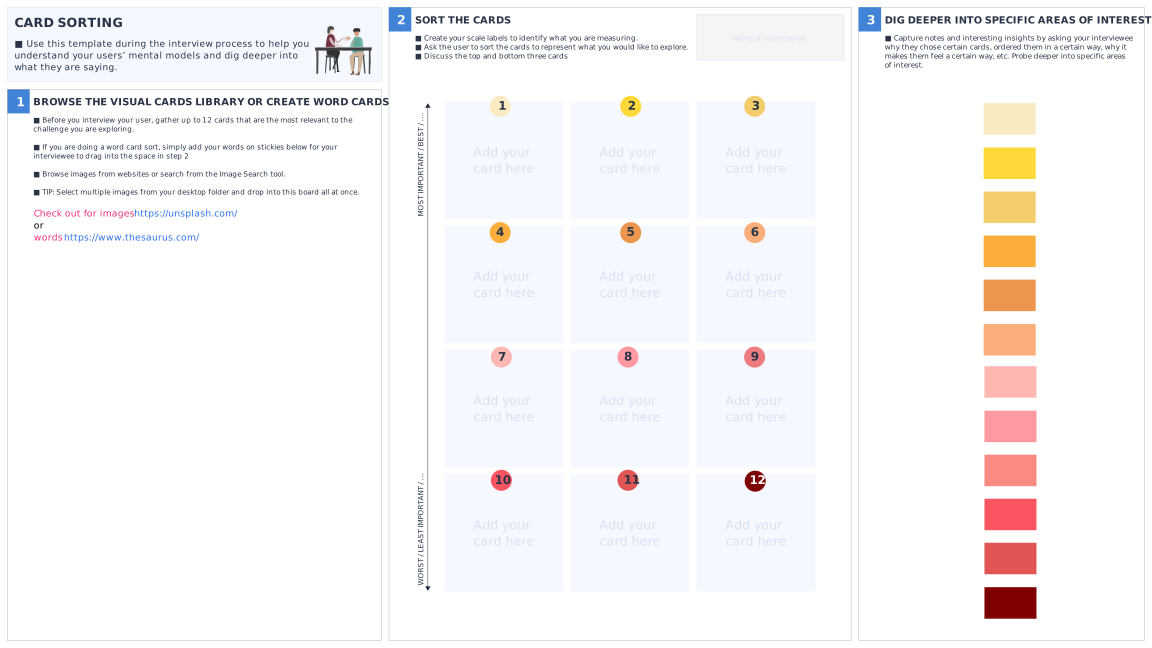
Use this tool during the interview process to help you understand the mental models of your users and dig deeper into what they are saying.
What’s the purpose
Card sorting is a useful way to understand how different individuals break down a problem or prioritize different items. It allows users to speak more freely about what matters to them without being constrained by a formal question. Using the Five Whys technique in combination with a card sort allows us to dig deeper and probe around specific interesting elements.
How to do it
Card sorts can be conducted using visual cards or word cards.
Visual cards:
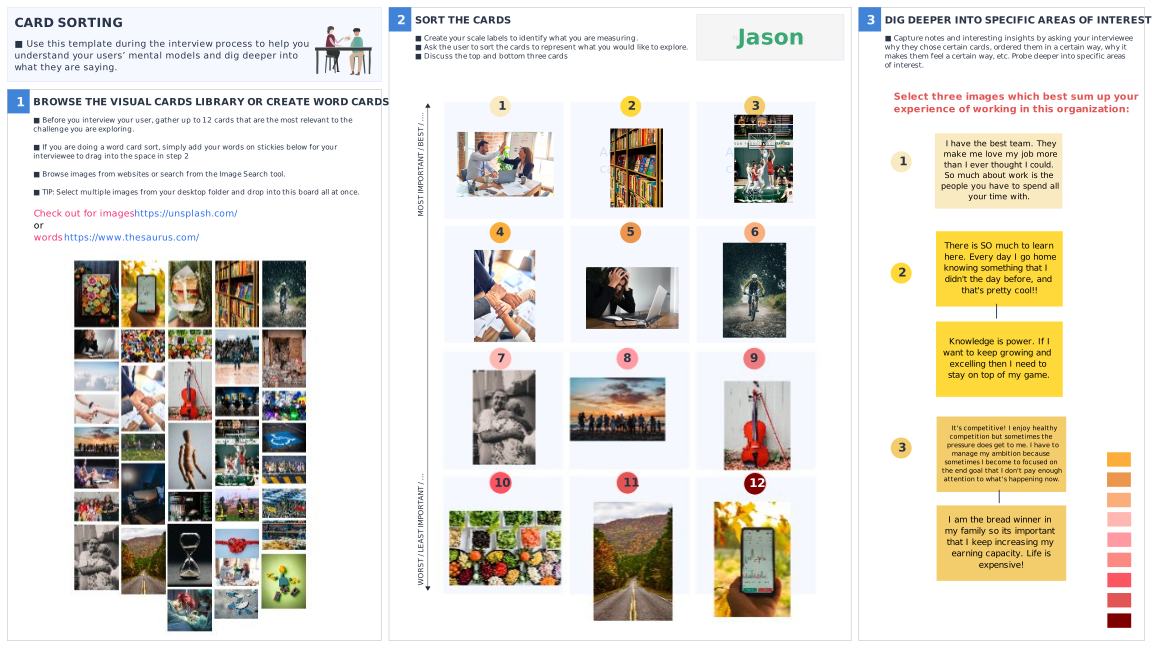
- Visuals can be a really powerful way to get people thinking at an emotional/cerebral level about a situation, experience, service etc. Start in step one by selecting up to 12 images that are most relevant to the challenge you are exploring and place these in step two.
- In step two, if relevant to your questions, add scale labels to identify what you are measuring.
- E.g. best and worst or most important and least important.
- Then, either as a standalone conversation starter or as part of a structured ethnographic interview, ask the user to select or sort the cards to represent what you are exploring.
- E.g. Select three images which best sum up your experience of working in this organization.
- Ask them why they chose that card and why it makes them feel that way. Dig deeper into specific areas of interest. Capture notes and interesting insights in step three.
Word cards:
- When you have predetermined categories or items you want to explore, word cards can be a great way to get feedback from your users. Start at step one by writing down single thoughts per card to represent categories or themes that you would like the user to order or prioritize.
- E.g. If you want to understand how a user prioritizes different elements of health and wellbeing, you may create the following cards: Exercise; Diet; Relaxation; Family time; Self care; Mental health practices etc.
- In step two, add scale labels to identify what you are measuring.
- E.g. best and worst or most important and least important.
- In step two, ask the user to sort these cards to represent what you are exploring.
- E.g. you may ask them to sort the following cards into an order that represents how they prioritize their own health. Place the cards in the order created by your user or have them do it themselves.
- Ask them why they chose that order and probe deeper into specific areas of interest. Capture notes and interesting insights in step three.