
Close and return to Sprintbase Launch in Sprintbase
Interview Summary

Interview Summary

When to use it

Use this tool to capture observations and important notes of what you learned about your interviewee's behaviors and feelings.

What’s the purpose

Capturing important information during interviews helps you to identify key takeaways from each conversation that you have. Conversations can be long and detailed, so using this template allows you to distill a lot of information into concise reflection points, which will make synthesizing all of your research a lot easier.

How to do it

  1. After planning your interviews using the ‘Interview Planner’ tool, use the ‘Interview Summary’ template to capture notes as you begin having conversations.
  2. Start by capturing key information about the user’s profile, such as their age, job, background etc.
  3. Write down anything that you find surprising during the conversation, any sources of joy and pain, and any other clues to what this person cares about.
  4. Capture any questions and ideas that you want to take away from the interaction.

Download a high-res PNG to print or use with your favorite digital whiteboarding tool.
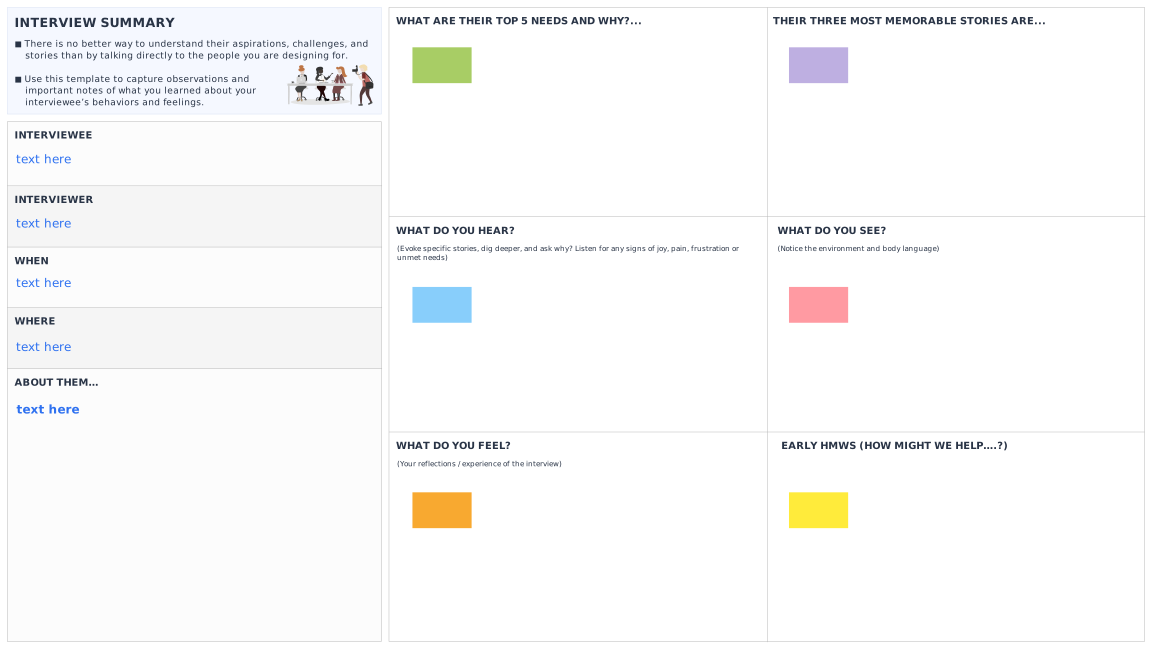
Blank Interview Summary Template
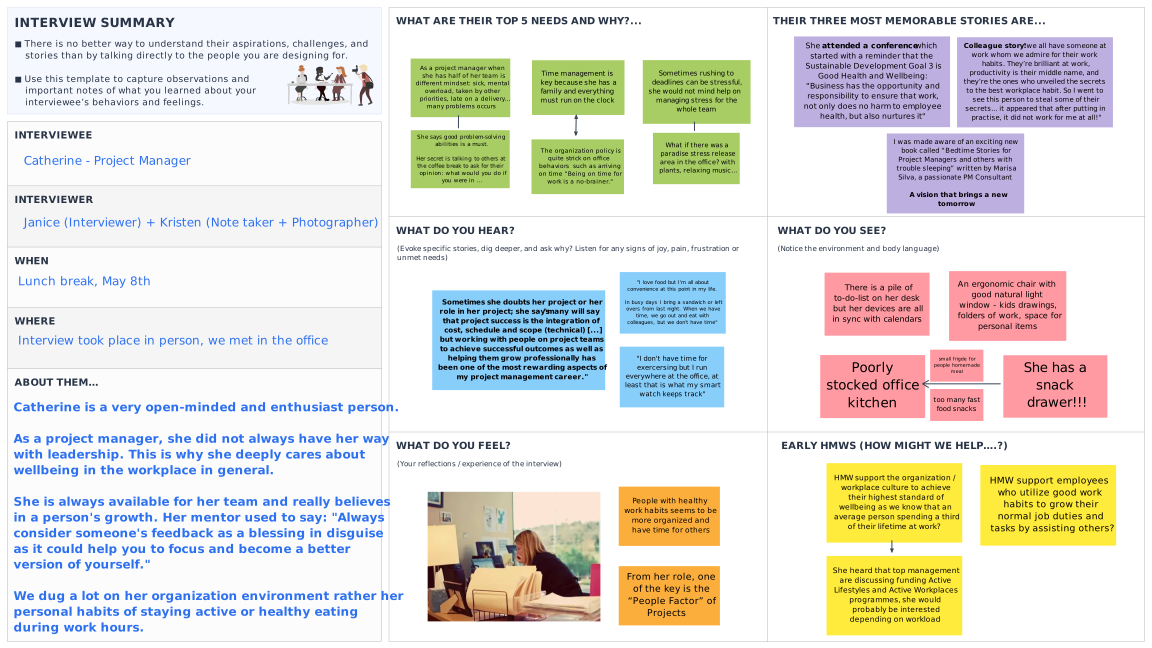
Completed Interview Summary Template Example Worked example
Helpful tips

Helpful tips

  • If possible, interview people in the context relevant to your challenge – visiting them where they live, work, shop, or socialise with friends and colleagues. This allows you to ask people to ‘show’ you what they mean as opposed to just telling, and can provide unexpected observations.
  • Assume a beginner’s mindset and ask clarifying questions even if you think you know the answer (if they tell you something different, you have found something new). Avoid closed questions!

Using this method in your day-to-day work

Using this method in your day-to-day work

Conversations with colleagues and clients at work are frequently informal but often lead to fascinating insights. Getting into the habit of taking meaningful notes and observations from a conversation ensures that you and/or others can revisit these for inspiration later.

Using this method to listen, record, and empathize with what’s vital to the people you work with/for will help you strengthen your ‘design’ skills and tune you into the needs of those around you. The more empathy you have, the better you’ll be able to work collaboratively and constructively with them.

 Close

Studio 34, RIVERSIDE BUILDING, 55 Trinity Buoy Wharf, London, E14 0FP

Have a question? Email us at [Please enable javascript to see this email address].