When to use it
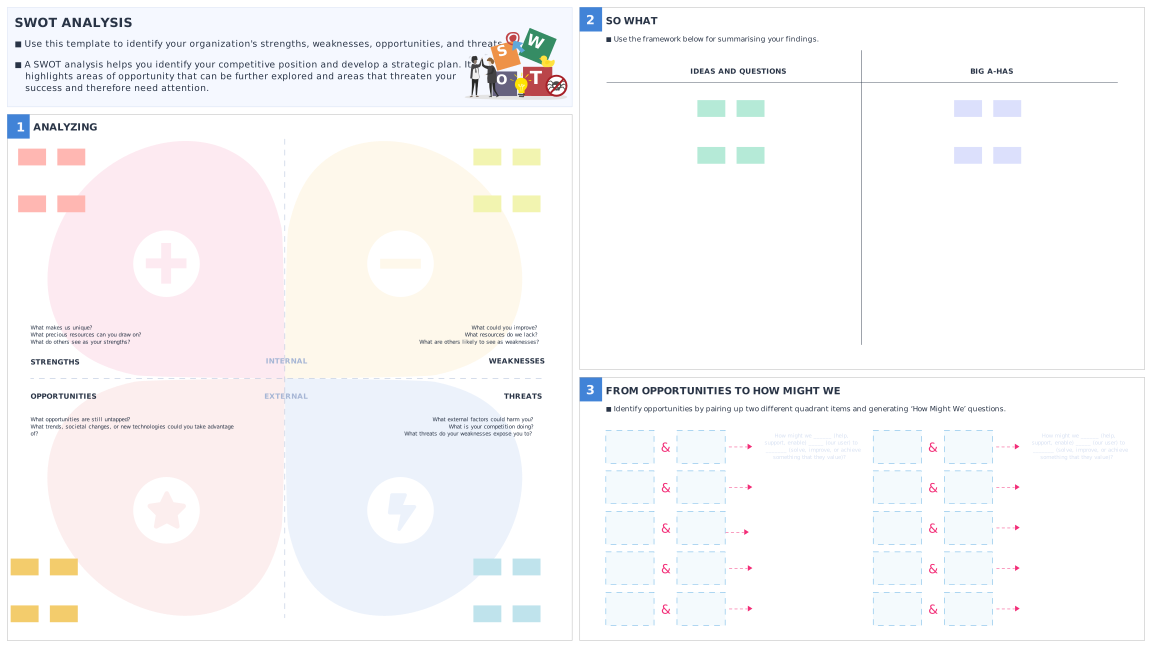
Use this tool to identify your organization's strengths, weaknesses, opportunities, and threats.
What’s the purpose
A SWOT analysis helps you identify your competitive position and develop a strategic plan based on it. It highlights areas of opportunity that can be further explored and areas that threaten your success and therefore need attention.
How to do it
- Using the ‘SWOT Analysis’ template, complete step one by filling in the internal strengths and weaknesses of your business, and the external opportunities and threats. Individually, take your time to answer the prompting questions to help you flesh out each quadrant.
- Now, look over your SWOT canvas and pick out the key findings. As a team, discuss your answers and use the ‘So What’ table to summarize your key takeaways. Copy paste, merge or rewrite your answers to paint the ‘SWOT Analysis’ picture.
- Then, try creating ‘How Might We’ questions that will help you solve the challenges at hand and explore the opportunities that present themselves. Do this by combining items from different quadrants and using the ‘How Might We’ madlib to help you define your question.
- E.g. You have identified that one of your weaknesses is that you have a small sales team but you’re expecting a surge in sales of your tech-based platform as remote working becomes more prevalent.
- You might create the following How Might We question: How might we support the sales team to ensure we don’t lose easy conversions as a result of capacity issues?