Analogous Situations
When to use it
Use this tool to help you find inspiration from different contexts that can be applied to your challenge.
What’s the purpose
Analogous situations help you to zoom in on specific elements of experiences, services and products that you are interested in and then apply what you find to the challenge you are working on. It’s a helpful way to gain a fresh perspective and inspire new ways of thinking.
How to do it
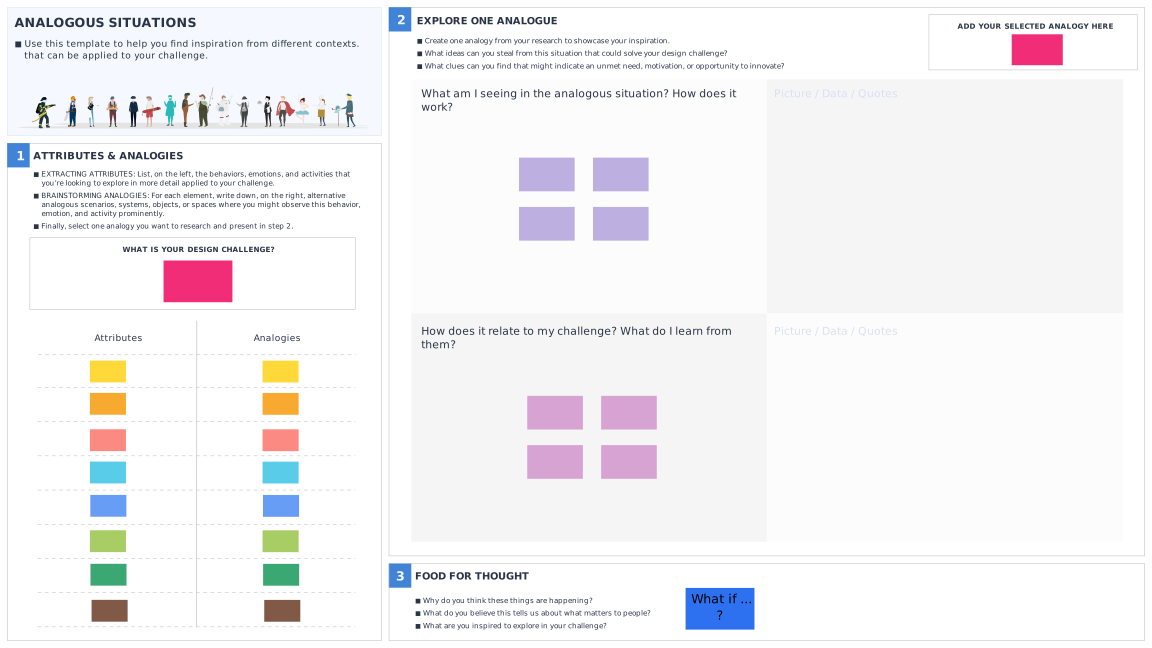
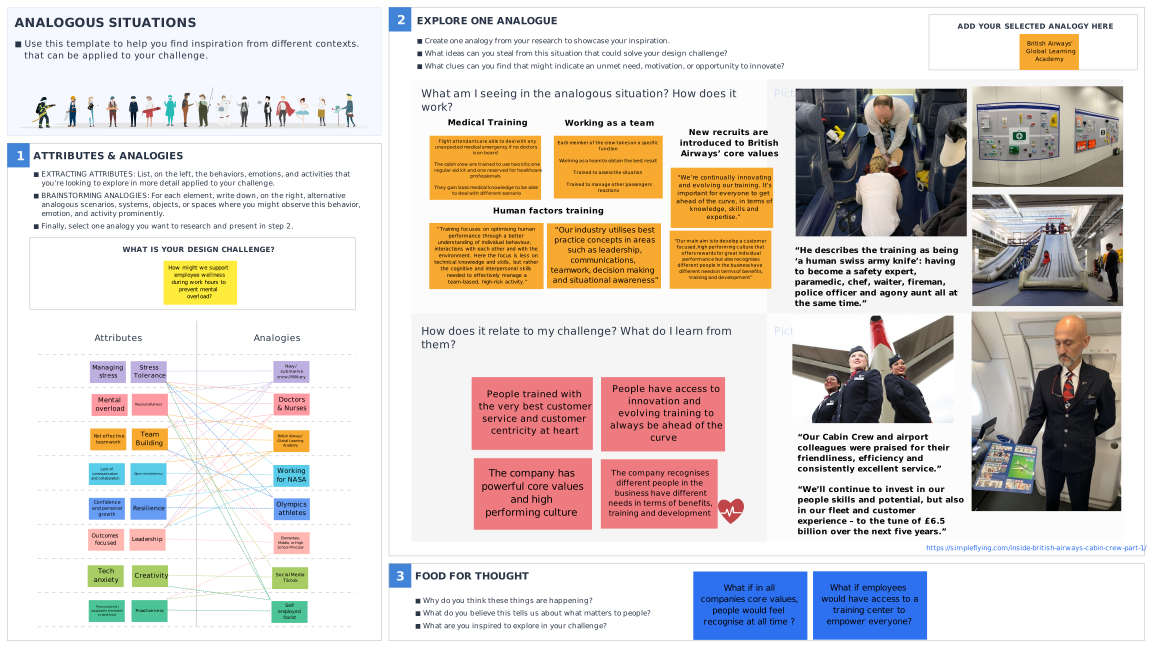
- In step one of the ‘Analogous Situations’ template, first, write down your design challenge in the box.
- Now, start with extracting attributes, by making a list of the activities, behaviors, and emotions relevant to your challenge that you're looking to explore in more detail.
- Next to each list item, continue with brainstorming analogies, write down another setting or situation where you might observe this activity, behavior, or emotion.
- For example, if you are interested in exploring how people work in the operating theatre, an analogous situation might be the pit crew on a Formula 1 race team.
- In step, two, look for connections between the analogous situation and your challenge. This is the part where you design research post-cards you will take forward with you in the project. Think of it as an inspirational wall.
- Now, if you can do field trips to experience situations in real life... Make a list of the site visits that might provide inspiration, and arrange your field trips. On your visits, make observation notes in step three of the template.
- But if you cannot this time, you can research online all the information you need. Start by looking at articles, videos, podcast, books, documentaries on the subject. Craft a short summary of you findings, add a visual to summarize the experience and turn the conclusion into a What If question so open dialogue.
- In step three, write down any thoughts that you gained by digging deeper into why things might be happening and what this tells you about people or the situation you are observing: start your question with What if...
- You have now created 'an analogous research post-card'. Do not hesitate to start another template and choose another analogy from step one list.