When to use it
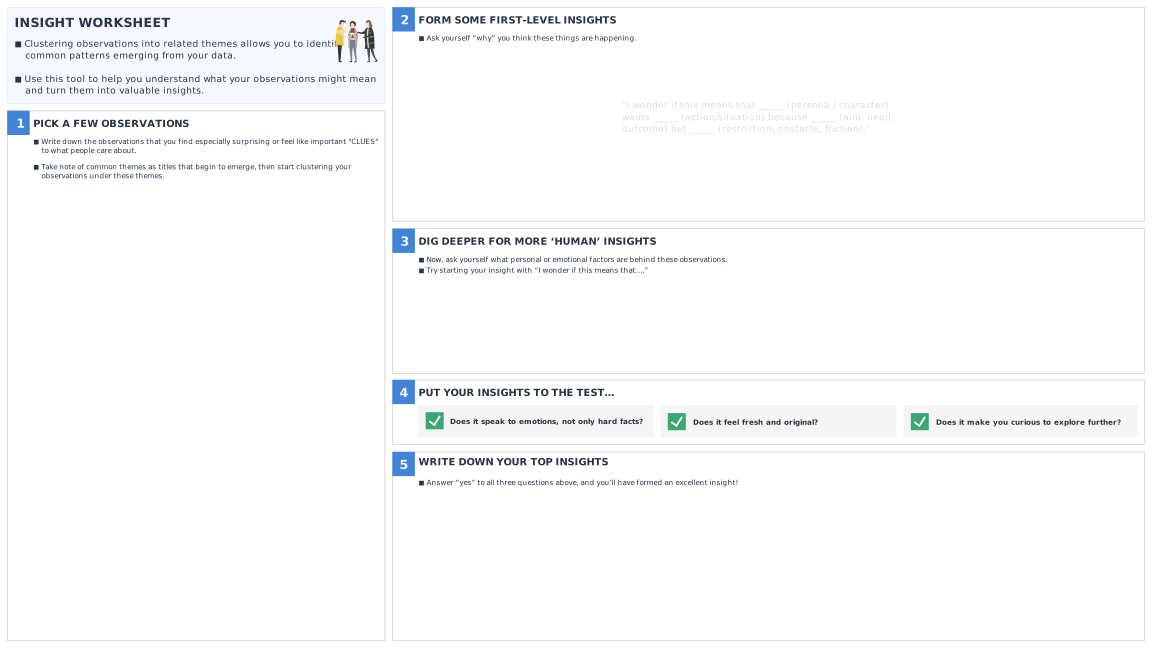
Use this tool to help you understand what your observations might mean and turn them into valuable insights.
What’s the purpose
Clustering observations into related themes allows you to identify common patterns emerging from your data. These patterns will help you form insights that speak to what people really care about and that inspire the curiosity of your team.
How to do it
- First, using the ‘Forming Insights’ template, write down the observations that you find especially surprising, or that really feel like important “CLUES” to what people care about on sticky notes. Make sure to capture only one observation per note.
- As you review your observations, take note of common themes that begin to emerge and capture them as titles on a new note. You can then start clustering your observations under these themes as you go.
- Once you’ve clustered all your observations, use part two of the template to try write some first-level insights. Focus on one theme at a time and ask yourself ‘why’ you think these things are happening. Try starting your insight with "Some people (type of person)... "
- For example: When observing people crowding onto a train or other public transport, you might form the insight that “Some people would rather wait for the next train than push their way on”. This could be the springboard for ideas like priority boarding and rewards for waiting – similar to airlines, for example.
- Dig deeper for more 'human' insights. Ask yourself what personal or emotional factors might be behind these observations. Be 'speculative'. Try starting your deeper insight with "I wonder if this means that..."
- Put your insights to the test in to help you select the best. Great insights feel simultaneously fresh, original and true. They speak to what really matters to people at a personal level and make you curious to explore them further.
- Write down your top insights as the final best selection.

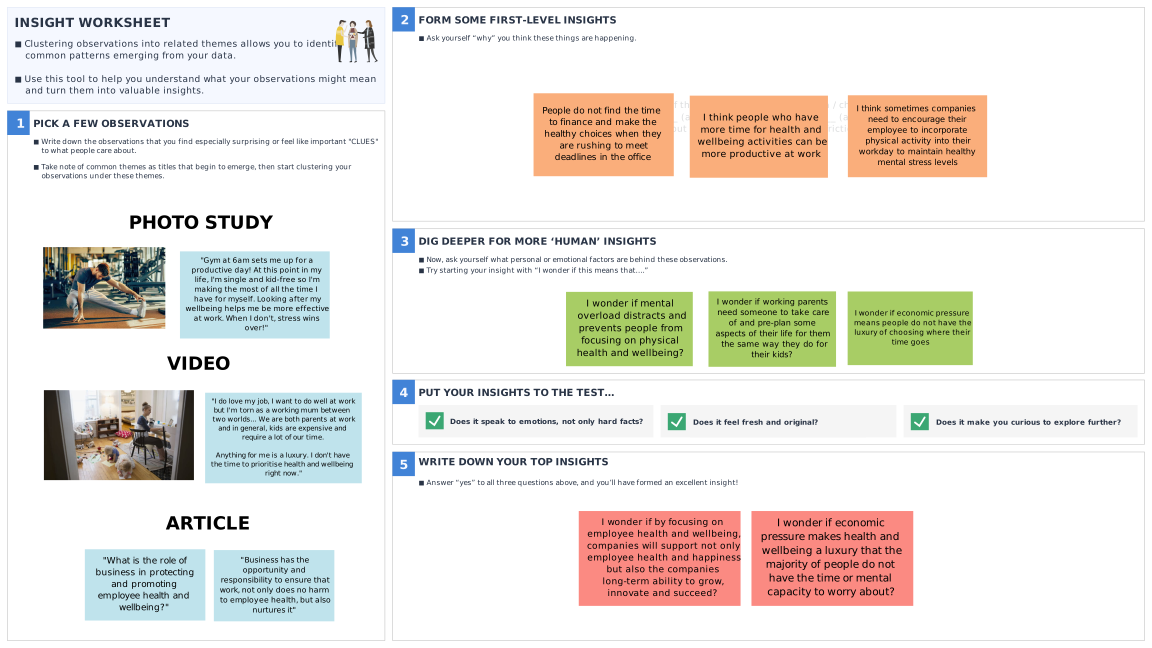 Worked example