Project Design Brief
When to use it
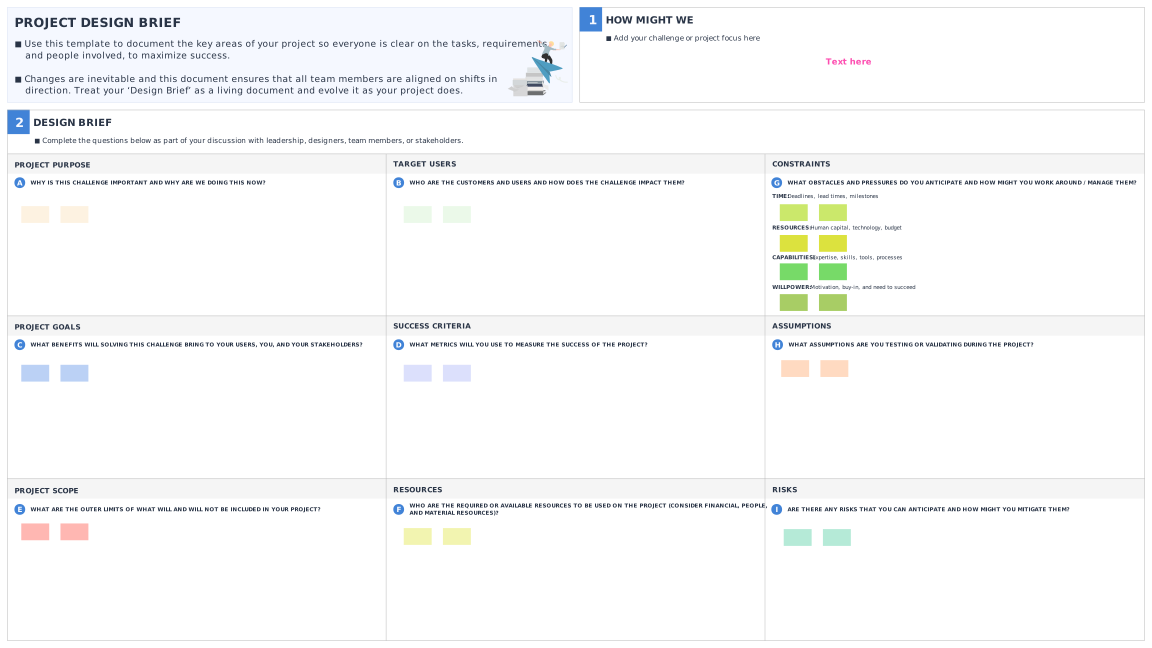
Use this tool to document the key areas of your project so everyone is clear on the tasks, requirements, and people involved, to maximize success.
What’s the purpose
It’s easy to lose track of the big vision, but a design brief is a powerful tool to align everyone on the goals, scope and timeline of your project. This document should be completed at the start of the project and can be used as your ‘north star’, grounding everyone involved in the project in what you’re aiming to achieve.
How to do it
- Start by pasting your How Might We challenge or project focus in step one.
- Now, with your team and your stakeholders, fill in the design brief, working your way through each section. Here is some guidance to help you:
- Project purpose: Think about the process you went through to define your challenge and explain how you got there. Why is it important right now?
- Target users: Think about all the users in your project. Who is the customer and who are the end users? Are there any other users?
- Project goals: Think about the the results that you expect to achieve if your project is successful. What benefits will solving this challenge bring to your users, to you and to your stakeholders?
- Success criteria: What metrics will you use to measure success? What does success look like?
- Project scope: Define the outer limits of your project. What is included and what is not included? Avoid creating a list of deliverables, and instead focus on creating boundaries to work within.
- Resources: Think about all the people that will be needed and are available to work on the project. List roles and names where possible. What material resources will be needed? What financial resources are available and required?
- Constraints: What obstacles or pressures do you anticipate? How will you work around / manage them?
- Assumptions: Think about the assumptions that you are testing in your project. What are you testing or validating during the project process?
- Risks: What risks do you foresee that could impact the project process or outcomes. Which risks require decisions or actions from the project sponsor or team? Think about how you might mitigate each one.