Sales Enablement Plan
When to use it
When developing a plan to engage, enable, and empower distribution channels for successful market entry, begin by working backwards from the proposed launch date.
What’s the purpose
The purpose of creating a comprehensive sales framework is to empower distribution channels and ensure successful market entry. By combining internal and external assets, training programs, and demand-creation initiatives, we aim to equip sellers with efficient, engaging, and impactful resources. The ultimate goal is to provide sellers with the necessary knowledge and tools to thrive in the market.
How to do it
- Determine the Tools for Inclusion:
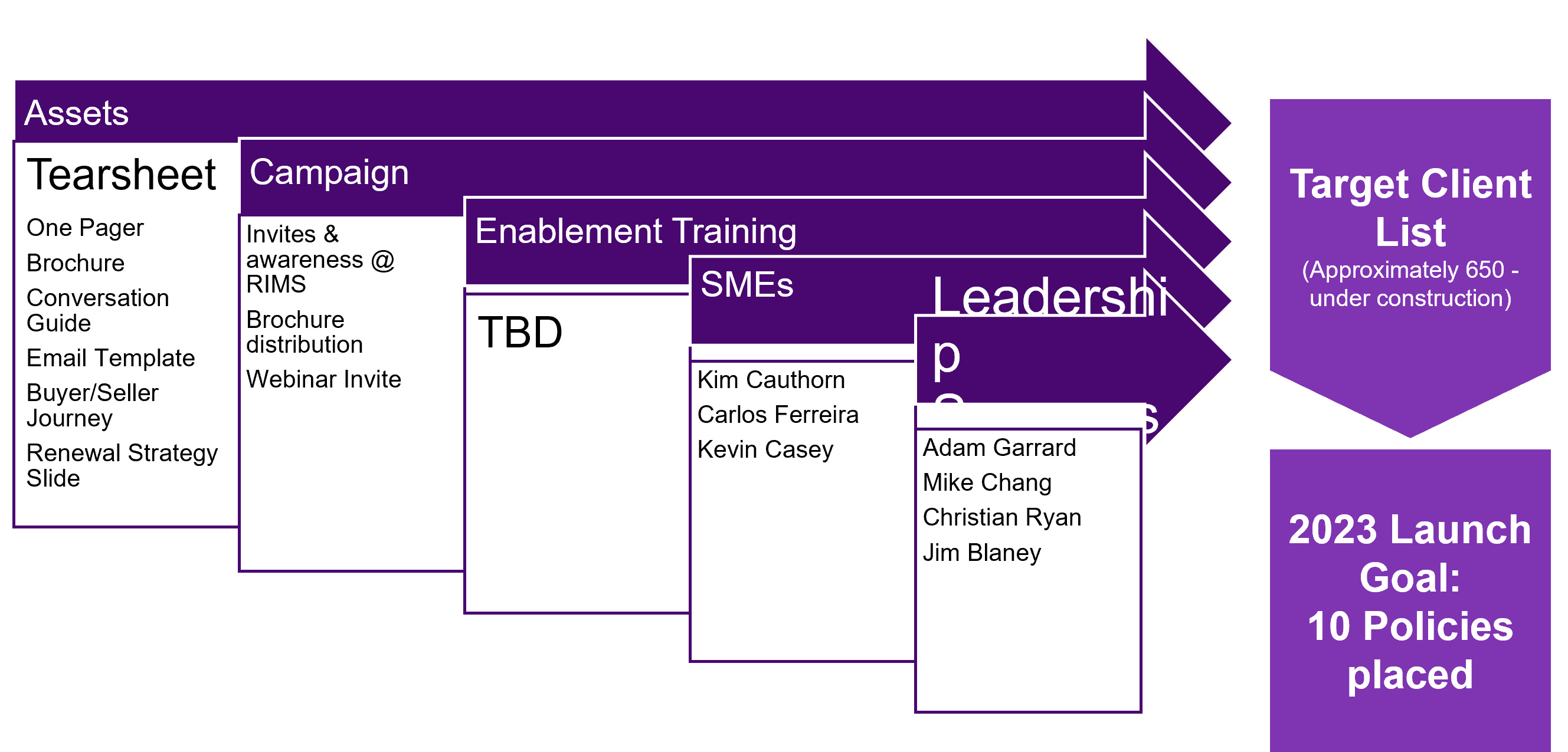
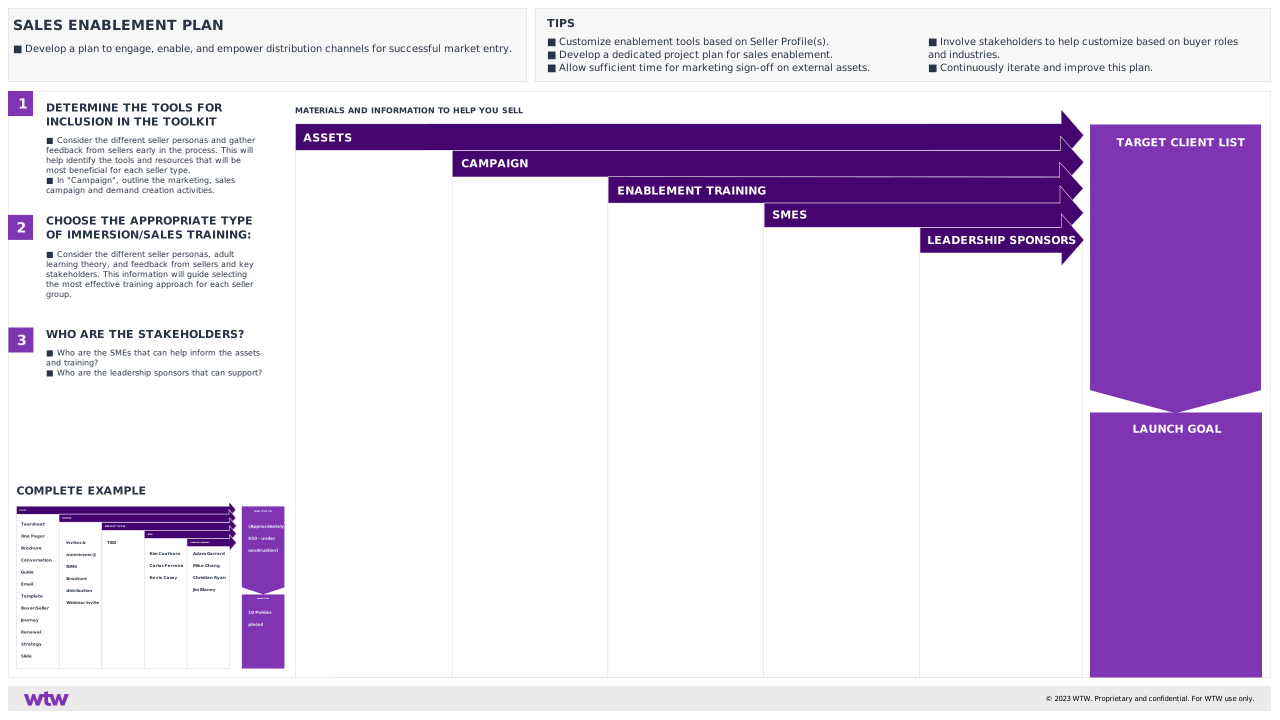
Determine the tools that will be included in the sales toolkit. To achieve this, it's crucial to consider different seller personas and gather feedback from sellers early in the process. By understanding their needs and preferences, we can identify the tools and resources that will be most beneficial for each type of seller. - Choose the Appropriate Type of Immersion/Sales Training:
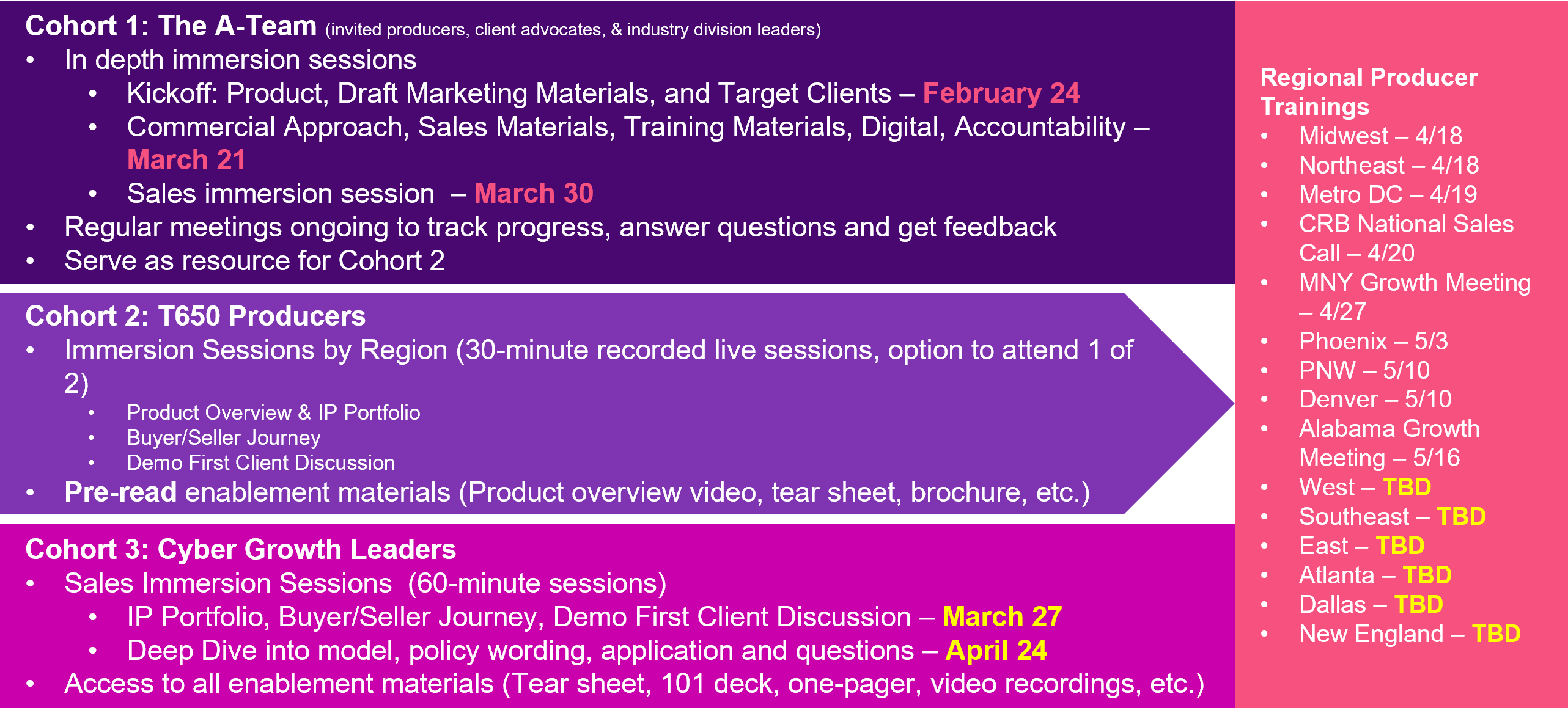
Choose the appropriate type of immersion or sales training. This decision should take into account the different seller personas, adult learning theory, and feedback from sellers and key stakeholders. By considering these factors, we can select the most effective training approach for each group of sellers. - Design and Deliver Training Sessions:
Once the training approach has been determined, it's time to design and deliver engaging training sessions. This step requires careful planning and preparation. The sessions should align with the chosen training approach and cover all necessary topics. It's essential to provide sellers with practical skills and knowledge that they can apply in real-world situations. - Address Diverse Training Needs:
We must also recognize that different groups of training cohorts may have unique requirements. To address this, we need to tailor the training content and delivery to accommodate these variations. Working closely with content and marketing teams, we can develop external assets, campaigns, and other demand-creation strategies that cater to the specific needs of different seller groups.
Achieving Success:
By following these steps, you can develop a comprehensive sales toolkit, implement effective training programs, and create impactful demand-generation initiatives. This approach ensures that your sellers enter the market equipped with the necessary knowledge and tools for success.