Sales Plan / KPI Development
When to use it
The sales plan and corresponding Key Performance Indicators (KPIs) should be developed before launching the product and engaging sellers in the market. This should be done after mapping out the first-year revenue goals.
What’s the purpose
The Sales Plan and KPIs serve several purposes. They enable you to create accountability and transparency within your sales team, allowing you to properly monitor, measure, and manage the quality, quantity, and direction of sales activities. The main objectives of the Sales Plan and KPIs are as follows:
- Establish Clear Sales Targets: By setting clear sales targets, you can align your team's efforts with company-wide goals, stakeholder engagement, meetings, follow-ups, and more. This ensures everyone is working towards the same objectives.
- Track Activity and Pipeline Progress: Defining KPIs allows you to monitor the progress of sales activities and evaluate the health of your sales pipeline. This provides valuable insights into areas that may require additional support or adjustments, helping you make data-driven decisions.
- Align Execution Plans with Sales Strategy: Your sales plan and KPIs enable you to align your execution plans with the overall sales strategy of your organization. This ensures that your team's efforts are in line with your strategic goals and helps maintain consistency.
- Identify Areas of Improvement: Through KPI development, you can identify leading indicators of success or areas that require improvement. This includes analyzing marketing, sales, pipeline data, distribution engagement, and other factors critical to your sales performance.
How to do it
To develop an effective Sales Plan and corresponding KPIs, follow these steps:
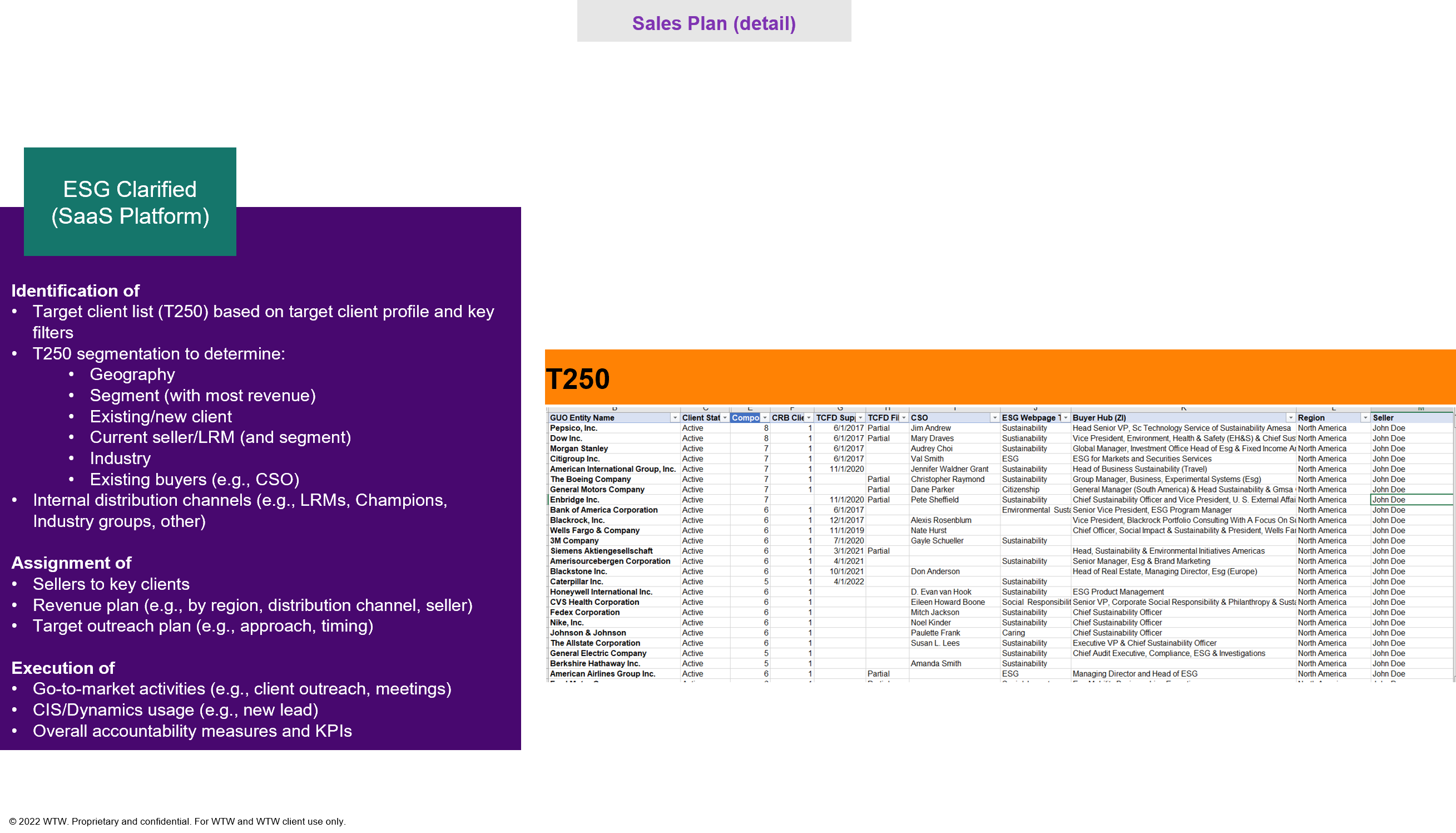
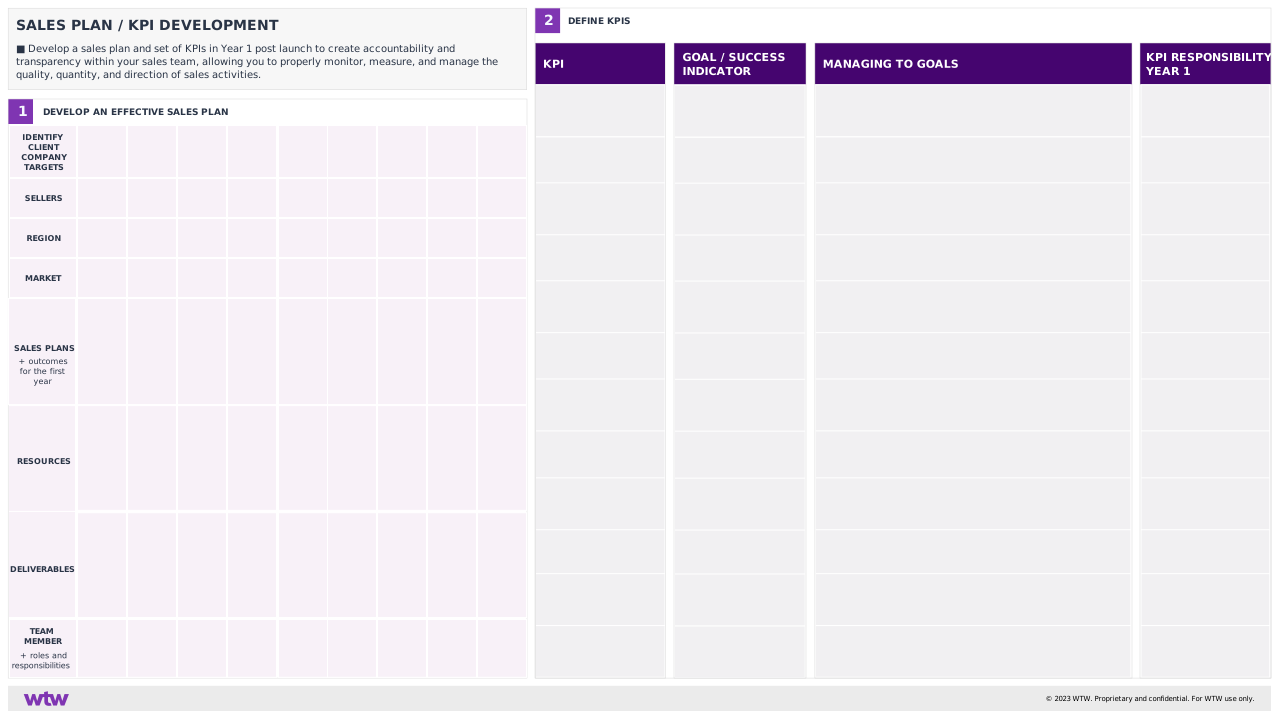
- Identify Client Company Targets and Associated Sellers: Begin by creating a list of the client companies you will be targeting and the sellers responsible for engaging with them. Organize this list based on the market or region for better segmentation.
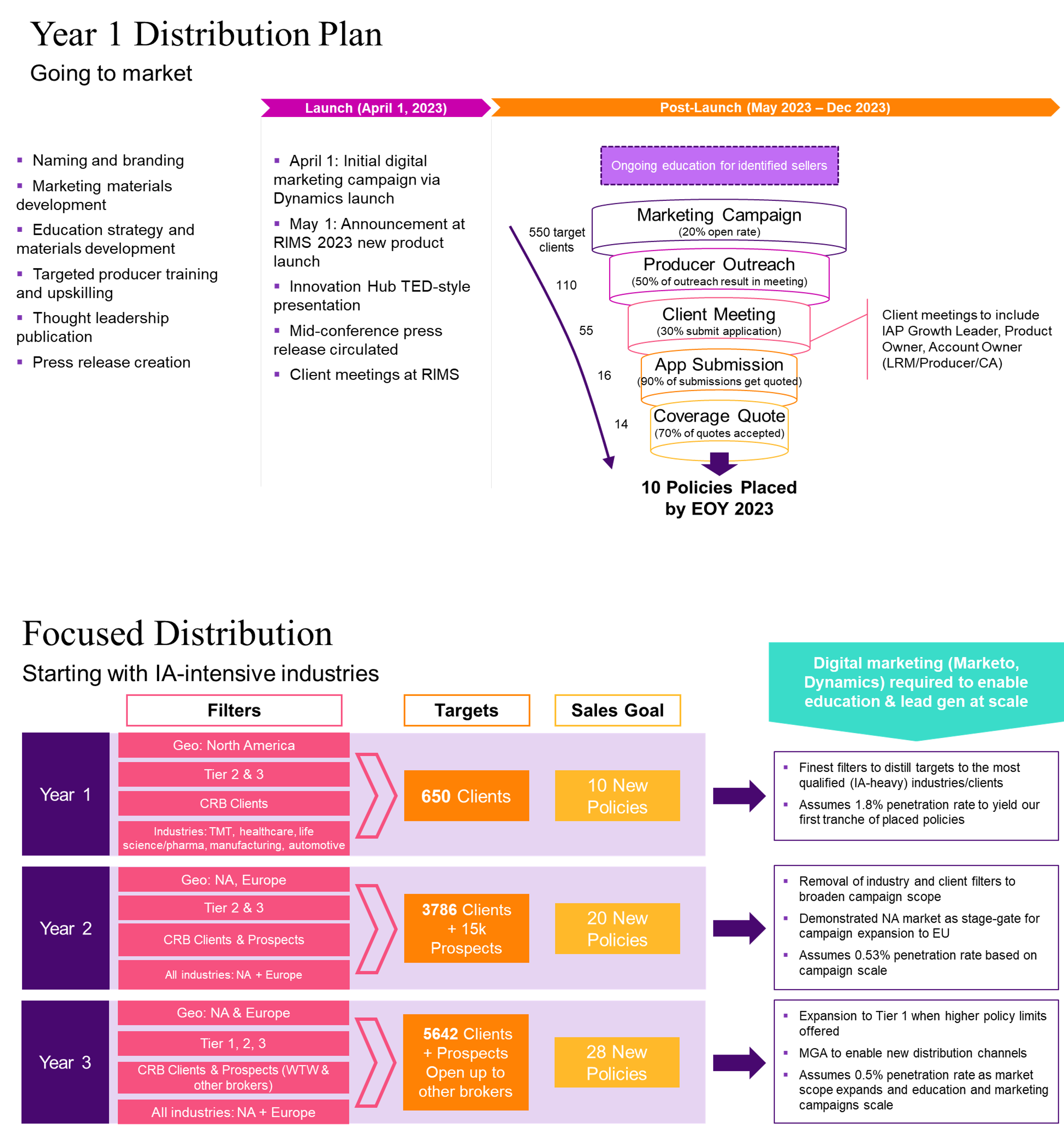
- Map out Your Sales Plans: Develop your sales plans based on the identified client companies and sellers. Consider the desired outcomes for the first year and shape the results you aim to achieve. This provides a clear roadmap for your team.
- Allocate Resources and Define Deliverables: Allocate the necessary resources to support your sales plans and clearly define deliverables for each team member involved. This ensures everyone understands their roles and responsibilities, promoting efficiency and collaboration.
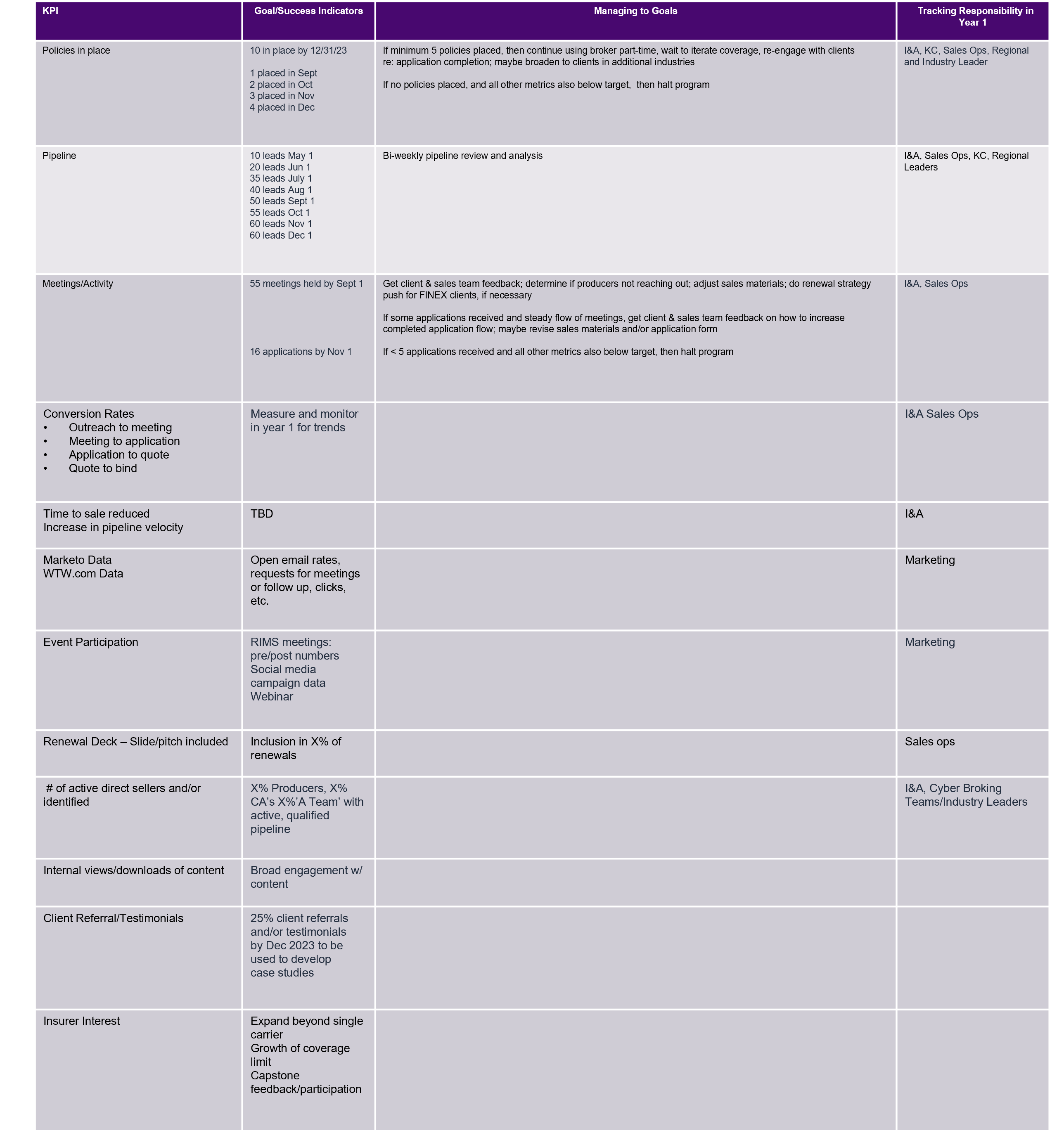
- Define KPIs: Determine the Key Performance Indicators that will measure the success of your sales efforts. These KPIs can go beyond revenue and include metrics such as reach, percentage of leads, conversion rates, and more. Communicate these KPIs to all team members and conduct regular reviews to track progress and make necessary adjustments.
By following these steps, you can develop a robust Sales Plan with clearly defined KPIs, fostering accountability, transparency, and effective sales performance monitoring.