The Match
When to use it
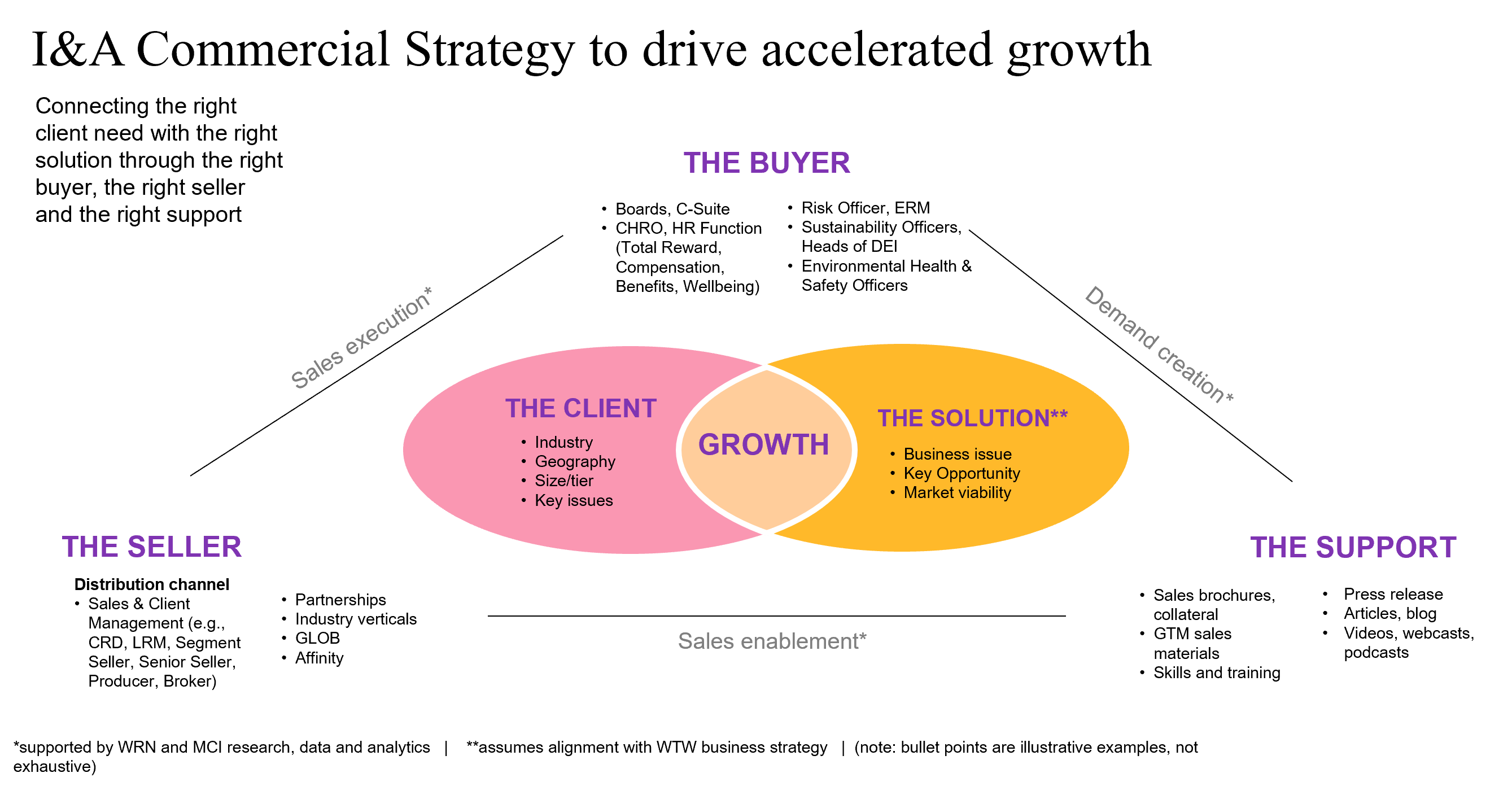
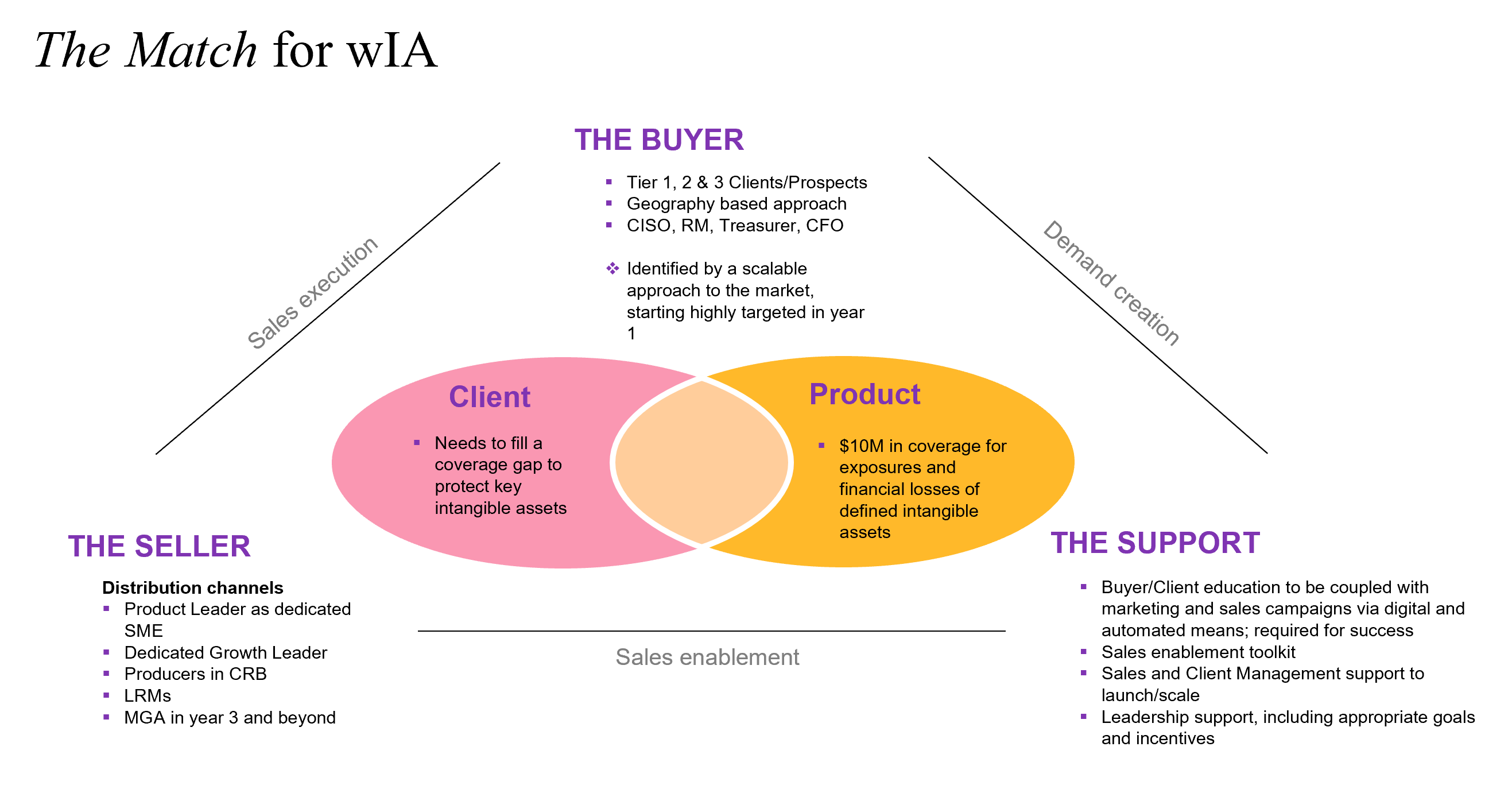
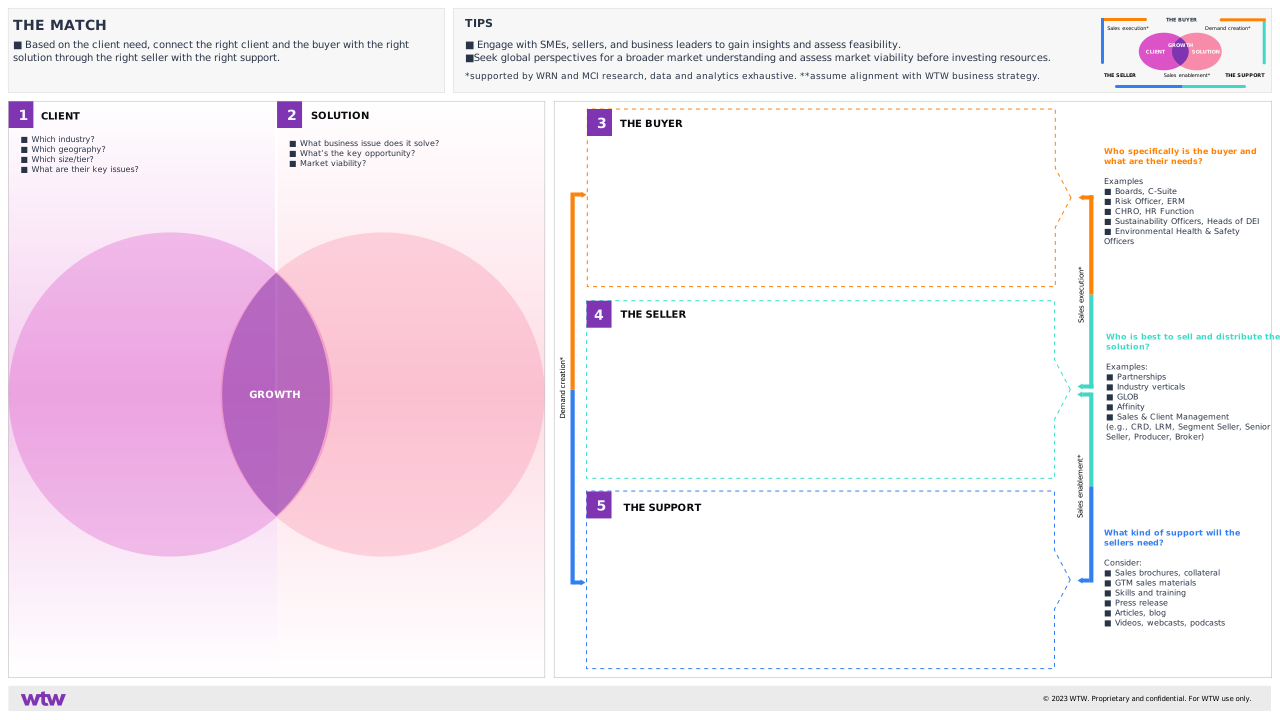
The Match is a strategic exercise designed to identify the target clients and buyers, find the right sellers, and provide the necessary support to enable successful sales. It is recommended to use The Match as an output after completing the Shape of Results planning process.
What’s the purpose
The Match is a strategic exercise focusing on identifying the target clients and buyers, finding the right sellers, and providing the necessary support to enable successful sales. Through The Match exercise, which is an outcome of the Shape of Results planning process, the product team can develop a deeper understanding of the target market for the solution, identify the key variables required to bring the product to market and assess any potential gaps or risks in the commercialization process.
By completing The Match exercise, you can develop a deeper understanding of the target market for the solution, identify the key variables required to bring the product to market, and assess any potential gaps or risks in the commercialization process.
This exercise is critical to developing and executing your go-to-market strategy. As well as ensuring that the product team has a comprehensive understanding of the market landscape and is well-positioned to successfully bring the product to market.
How to do it
- Gather a team of key stakeholders. Including subject matter experts, sellers, and business leaders.
- Understand the Problem & Solution. To effectively understand the problem and solution in the simplest terms possible, studying relevant materials and deliverables is crucial. This includes identifying the core value that the solution offers and defining the target client.
- Define the Core Value. To understand the solution's value proposition, it is important to define its core value. This includes identifying the primary benefits that the solution provides to the client, such as cost savings, increased efficiency, or improved customer experience.
- Define the Target Client. What are the qualifiers and variables that we can use as filters to refine our target market? To define the target client, consider which companies are most likely to value the solution by identifying signals and parameters that could come together to make them a good target. Such identifiers include target revenue/sales, headcount, industry, etc.
- For example, if we are selling an ESG solution, we’d want to know if a target has a TCFD report, if they’ve made formal ESG commitments and if they have a Chief Sustainability officer.
- Define the Buyers. Once the target client has been defined, it is important to determine the primary and secondary buyers for the solution. This will help identify the best position to sell the solution and determine if anyone already has access to the buyer group.
- Typically, we sell large complex solutions that require input from many stakeholders. We want to identify as many as we can in this step.
- It is also important to assess the market viability of the solution. This includes identifying the potential demand for the solution, analyzing the competition, and evaluating the market size and growth potential.
- Define the Seller. To effectively sell the solution, it is important to determine who is best positioned in the business to sell the solution. Do we have existing relationships with these buyers? Will we need to leverage other sellers in other parts of the business? Now is the time to start thinking tactically about how we can make a sale. This includes identifying individuals or teams with access to the buyer group.
- Define the Support. To effectively reach out to the buyer/client group, it is essential to provide the necessary support to the sellers. This can include creating tearsheets, client conversation guides, and brochures, and ensuring that the sales team is trained and equipped to effectively sell the solution.
- Initiate Engagement and Feedback. In order to achieve early buy-in and awareness of the required resources for distribution, execution of sales campaign/marketing plans, sales ops support, enablement development, and rollout, it is important to initiate engagement and feedback from relevant stakeholders. This will help identify the necessary resources and support for the successful distribution and execution of sales campaigns and marketing plans.